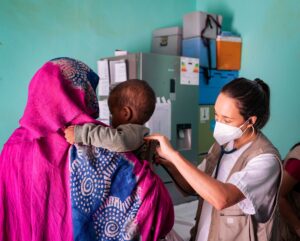

Global Education Crisis: SDG 4 Progress Falls Short as 2030 Deadline Approaches
Category: Education News
Published: June 2026
Read Time: 5 Minutes
Key Takeaways
- UNESCO’s 2026 Global Education Monitoring Report warns that SDG 4 targets remain off track.
- Millions of children still lack access to quality education.
- Significant disparities persist between developed and developing regions.
- Youth participation is becoming a central focus of education reform.
- Only four years remain before the 2030 Sustainable Development Goal deadline.
Global Education Progress Remains Below Target
The latest Global Education Monitoring Report released by UNESCO highlights growing concerns about the future of global education. Although many countries have made progress over the past two decades, overall advancement toward Sustainable Development Goal 4 (SDG 4) remains insufficient.
The report emphasizes that educational access, equity, and learning outcomes continue to vary dramatically between regions. As a result, millions of students remain at risk of being left behind.
“With the 2030 deadline for achieving Sustainable Development Goal 4 only a few years away, progress in ensuring access to education falls short.”
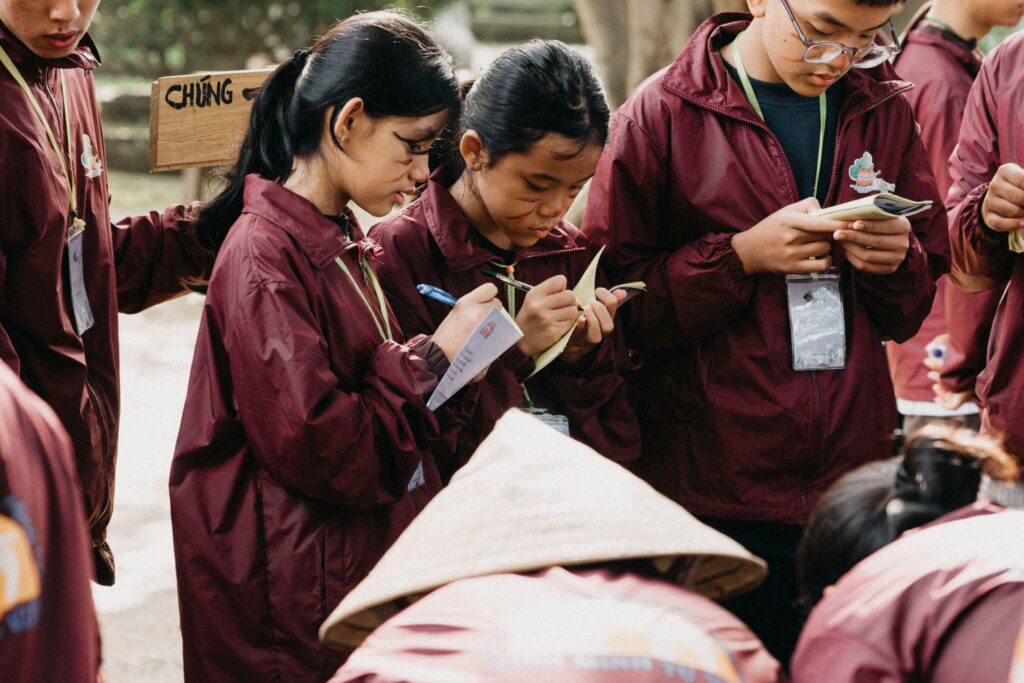
UNESCO Promotes Youth-Led Education Reform
Earlier this year, UNESCO marked the International Day of Education with a strong emphasis on youth participation in education policy.
Rather than being passive recipients of change, young people are increasingly becoming active contributors to the design and improvement of education systems.
Key Areas of Focus
| Initiative | Objective |
|---|---|
| Youth Participation | Empower students to influence policy decisions |
| Inclusive Learning | Improve accessibility for all learners |
| Future Skills | Prepare students for evolving workforce demands |
| Collaborative Design | Encourage community-led education solutions |
Why It Matters
Education experts believe that young people bring valuable perspectives that can help create more relevant, inclusive, and effective learning systems.
Educational Access Remains Uneven
Despite improvements in some regions, access to quality education remains highly unequal across the globe.
Countries in Northern Europe and parts of East Asia continue demonstrating strong educational outcomes. Meanwhile, many nations in Sub-Saharan Africa, South Asia, and conflict-affected regions face ongoing challenges.
Regional Progress Snapshot
| Region | Current Status |
|---|---|
| Northern Europe | On Track |
| East Asia | On Track |
| Latin America | Mixed Progress |
| Sub-Saharan Africa | Below Target |
| South Asia | Below Target |
Several factors continue contributing to these disparities, including economic inequality, infrastructure limitations, and political instability.

SDG 4 Countdown: Four Years Remaining
With the 2030 deadline approaching, governments and international organizations face increasing pressure to accelerate progress.
Current assessments suggest that existing efforts are not sufficient to achieve universal access to quality education within the remaining timeframe.
Current Status
| Indicator | Status |
|---|---|
| Time Remaining | 4 Years |
| Progress Level | Below Target |
| Risk Assessment | High |
| Priority Action | Accelerated Investment |
SDG 4 Goal
Ensure inclusive and equitable quality education and promote lifelong learning opportunities for all.
Five Major Challenges Facing Global Education
1. Funding Constraints
Many education systems continue operating with limited financial resources. Consequently, schools often struggle with inadequate facilities, teacher shortages, and outdated learning materials.
2. Geographic Inequality
Students living in rural or remote communities frequently have fewer educational opportunities compared to those in urban areas.
3. Gender Barriers
Although progress has been made, girls in many regions still face obstacles that limit educational participation and achievement.
4. The Digital Divide
Technology has transformed education; however, millions of students still lack reliable internet access and digital learning tools.
5. Slow Policy Implementation
In many countries, education reforms take years to implement, limiting the pace of meaningful change.
How Youth Organizations Are Responding
Around the world, youth-led initiatives are helping address education challenges through innovation and advocacy.
Emerging Solutions
- Education policy advocacy campaigns
- Peer-to-peer learning networks
- Community education programs
- Digital learning platforms
- Student-led awareness initiatives
Furthermore, these programs are helping local communities identify practical solutions tailored to their specific needs.
What Global Stakeholders Can Do
For Governments
- Increase investment in education infrastructure
- Improve teacher training and support
- Expand digital learning access
- Strengthen accountability and reporting
For International Organizations
- Promote cross-border collaboration
- Support underserved communities
- Fund education technology initiatives
- Share best practices globally
For Educators and Students
- Embrace digital learning opportunities
- Encourage community engagement
- Support lifelong learning
- Participate in policy discussions
Looking Ahead
Although significant challenges remain, opportunities for progress still exist. Governments, educators, international organizations, and young people all have important roles to play in accelerating education reform.
Moreover, increased investment, stronger partnerships, and innovative learning solutions could help close existing gaps before 2030. However, action must happen now if the world hopes to achieve Sustainable Development Goal 4 and ensure quality education for future generations.
Join the Discussion
What actions should governments prioritize to improve educational access?
Can technology help close the global learning gap?
Should youth have a larger role in shaping education policy?
Share your thoughts in the comments below.