
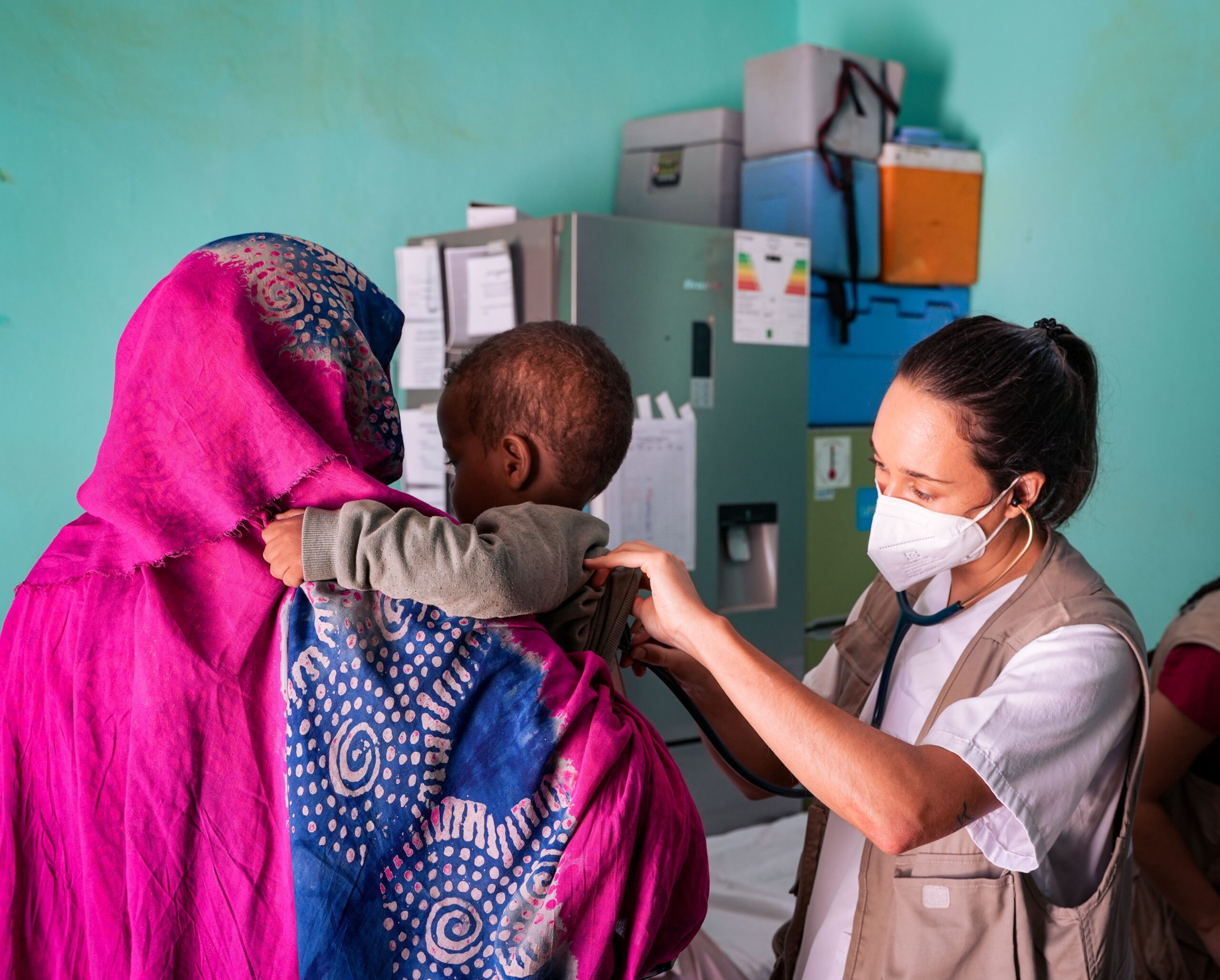
Global Health Alert: Mpox Epidemic Continues to Challenge Public Health Systems Worldwide
Category: Health News
Published: June 2026
Read Time: 5 Minutes
Key Takeaways
- The 2023–2026 mpox epidemic remains a significant global health concern.
- Currently, the Democratic Republic of Congo continues to be the primary epicenter.
- At the same time, health authorities are monitoring both Clade I and Clade II variants.
- Meanwhile, the World Health Organization maintains a Public Health Emergency of International Concern (PHEIC) designation.
- In addition, global health agencies are expanding surveillance, vaccination, and preparedness efforts.
Mpox Remains a Global Health Concern
The mpox outbreak continues to pose challenges for healthcare systems around the world. Although health organizations have strengthened monitoring and response efforts, transmission remains active across several regions.
According to international health agencies, both Clade I and Clade II variants continue circulating. Therefore, ongoing surveillance and public health intervention remain important.
As a result, governments and healthcare organizations are increasing investments in outbreak preparedness, disease monitoring, and vaccination programs.
“The mpox outbreak has spread around the world rapidly, through new modes of transmission, about which we understand too little.”
Understanding the Current Outbreak
The Democratic Republic of Congo remains the most heavily affected region. However, international travel and interconnected health systems continue creating opportunities for cross-border transmission.
Furthermore, health experts emphasize that early detection, rapid response, and public awareness remain critical to limiting further spread.

WHO Maintains Global Emergency Response
The World Health Organization continues coordinating international response efforts through its Public Health Emergency of International Concern framework.
In practice, this designation enables global collaboration, emergency funding, surveillance coordination, and rapid deployment of public health resources.
Current Response Priorities
- Strengthening disease surveillance
- Expanding laboratory testing
- Supporting healthcare systems
- Improving outbreak reporting
- Increasing vaccine accessibility
Why It Matters
Ultimately, international cooperation remains essential to controlling infectious disease outbreaks and protecting vulnerable populations.
Clade I and Clade II Variants Continue Circulating
Scientists continue tracking two primary variants associated with the outbreak.
Variant Monitoring Overview
| Variant | Current Status | Primary Regions |
|---|---|---|
| Clade I | Higher transmission concern | Central Africa and imported cases |
| Clade II | Ongoing global circulation | Multiple international regions |
Although both variants require monitoring, health authorities continue studying differences in transmission patterns and severity.
Global Statistics Snapshot
Current surveillance data highlights the scale of the ongoing outbreak.
| Health Indicator | Current Estimate |
|---|---|
| Confirmed Cases | 29,000+ |
| Estimated Fatalities | Approximately 800 |
| Emergency Funding | $15 Million |
| WHO Alert Status | PHEIC |
| Primary Epicenter | Democratic Republic of Congo |
However, these figures may continue evolving as additional data becomes available through national reporting systems.
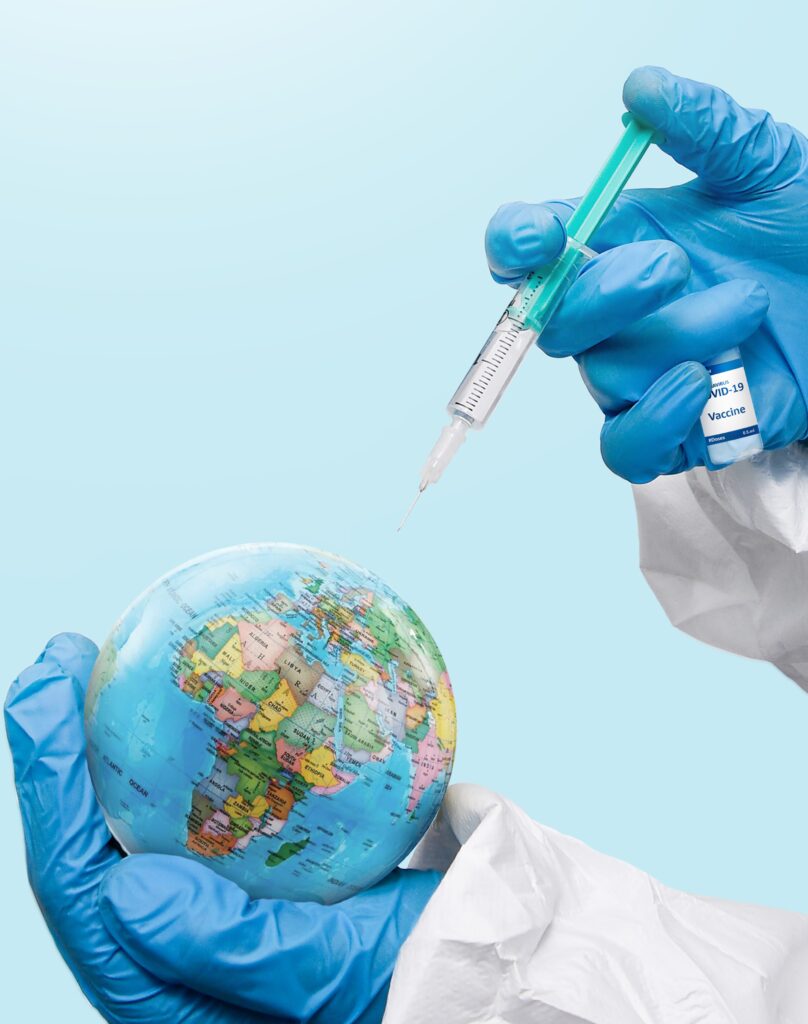
Symptoms and Public Health Guidance
Healthcare organizations encourage individuals to remain informed and seek medical advice if symptoms develop.
Common Symptoms
- Fever
- Headache
- Swollen lymph nodes
- Muscle aches
- Fatigue
- Skin lesions or rash
Symptoms can vary between individuals. Therefore, anyone experiencing concerning symptoms should consult a qualified healthcare professional.
Recommended Precautions
✔ First, follow guidance from public health authorities.
✔ In addition, practice regular hand hygiene.
✔ Also, avoid direct contact with individuals showing visible symptoms.
✔ Meanwhile, stay informed through trusted health organizations.
✔ Finally, seek medical attention if symptoms appear.
Challenges Facing Global Health Systems
Despite significant progress in disease monitoring, several challenges remain.
Limited Healthcare Resources
For example, some regions continue facing shortages of healthcare personnel, medical supplies, and laboratory capacity.
Unequal Access to Vaccines
Similarly, access to vaccines and treatment resources remains uneven across different countries and communities.
Cross-Border Transmission Risks
Moreover, global travel and interconnected populations increase the importance of coordinated international response efforts.
Public Awareness
At the same time, combating misinformation remains essential to improving public understanding and encouraging preventive action.
Looking Ahead
Although the global response has strengthened considerably since the outbreak began, mpox remains an important public health issue requiring continued attention.
Moreover, investments in surveillance, healthcare infrastructure, vaccine access, and international cooperation will play a crucial role in controlling future outbreaks.
As health authorities continue monitoring developments, public awareness and evidence-based decision-making will remain key components of effective outbreak management.
Ultimately, strengthening global health preparedness today will help build greater resilience against future public health emergencies.